
Introduction
Exhibitors often wonder why custom booth builders insist on a minimum six to eight week lead time before an event. It is not a random number. It is the timeframe required to design, engineer, fabricate, finish, and ship a booth that is safe, functional, and branded correctly. Cutting corners in this window puts the entire show at risk.
Design Factory Las Vegas works with exhibitors across every major convention in the city. Year after year, the projects that run smoothest are the ones that start early. The ones that rush end up paying more, stressing more, and risking more. The timeline exists for a reason.
Design and Concept Development Needs Time
A custom booth is not a template. It starts with ideas, sketches, and brainstorm sessions. Designers need time to build a concept that actually matches the brand.
That includes layout planning, flow mapping, structure planning, lighting concepts, and branded elements. Rushing this stage reduces creativity and increases the chance that something important gets missed. Strong design always requires breathing room.
Engineering and Structural Planning Take Precision
Once a concept is approved, engineers need to translate the design into something physically buildable. That means creating technical drawings, weight load calculations, wall and ceiling structure plans, electrical layouts, rigging points, and safety clearances.
This part cannot be rushed. It involves safety requirements from convention centers, building codes, fire regulations, and structural integrity. Engineering errors lead to delays at the show, fines, or builds that fail inspection.
Materials Need to Be Ordered Early
Custom booths use specialty materials. LED tiles, acrylic pieces, custom cabinetry, printed fabrics, metal framing, lighting systems, flooring, and branded signage often have long lead times.
Waiting even a week too long can mean:
- higher material costs
- backordered components
- limited finish options
- substitutions that change the design
Ordering early protects the project.
Fabrication Is Not Instant
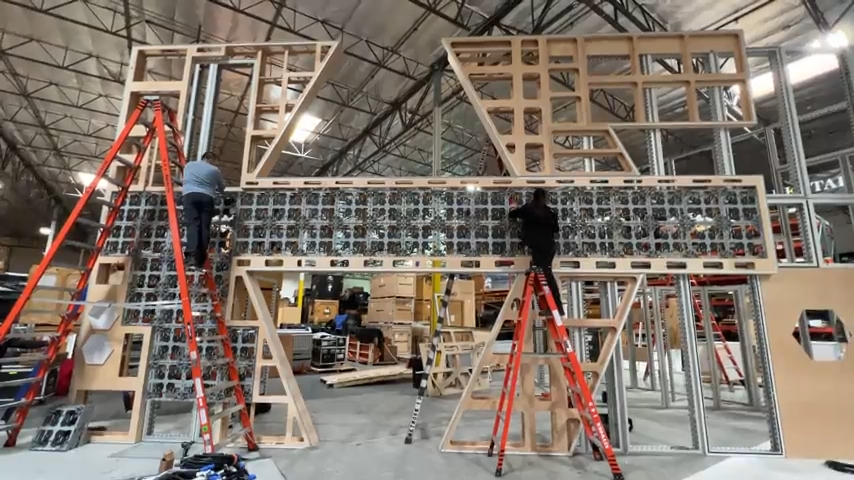
Fabrication shops operate like production lines. Cutting, welding, painting, CNC machining, printing, sanding, assembling, wiring, testing, and finishing all take time. Shops also handle multiple projects at once.
When a project enters the queue late, it becomes a rush job. That means higher labor costs, higher risk of mistakes, and less time for quality control. A six to eight week window ensures the booth is built the right way, not the fastest way possible.
Graphics and Printing Require Approval Cycles
Brand graphics go through review cycles. That means sending proofs, making edits, checking colors, and confirming final print files before output.
Large format printing is not something that can be redone overnight. If there is a typo, color mismatch, or alignment issue, it takes time to fix. A proper timeline ensures nothing is rushed or printed incorrectly.
Logistics and Shipping Must Be Booked in Advance
Once fabrication is complete, the booth still needs to reach the show floor. Booking freight, coordinating with drayage, securing marshaling yard times, planning install routes, and scheduling labor all require advance planning.
During peak show seasons, last minute freight can be extremely expensive or even unavailable. Logistics teams need time to route shipments and avoid delays.
On Site Install Needs a Realistic Window
Booth builds on the show floor involve riggers, electricians, carpenters, AV teams, and show management. A last minute booth arrives with no margin for error. If anything goes wrong during install, the exhibitor has no backup plan.
A proper lead time guarantees a safer, calmer, more predictable install.
What Happens When Exhibitors Try to Rush
Shortening the timeline almost always leads to:
- increased costs
- reduced design quality
- fewer material choices
- shipping risks
- last minute change orders
- stress for everyone involved
In worst cases, rushed booths miss deadlines or arrive incomplete. The six to eight week minimum prevents these scenarios.
Conclusion
Custom booths are complex projects that require time, coordination, and precision across design, engineering, fabrication, printing, and logistics. The six to eight week minimum timeline is not a barrier. It is a safeguard that ensures your booth is safe, accurate, and ready to perform on the show floor.
Starting early always delivers a better final product and a smoother show experience.
If you have an upcoming 2026 trade show, reach out to Design Factory Las Vegas early to secure your build timeline and avoid rush costs.
If you want, I can write a tiny one-sentence post summary or the image prompt for the blog cover.